Unilateral US measures are ‘crimes against humanity’, says Tehran
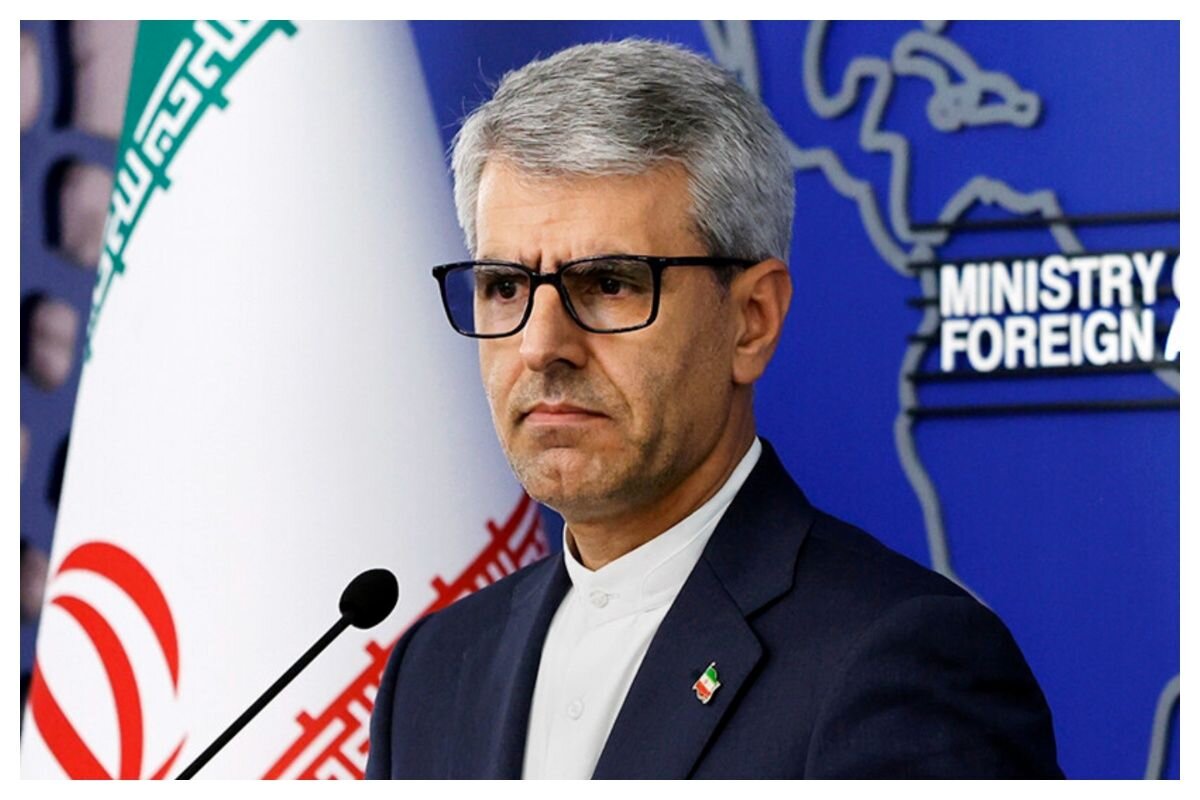
TEHRAN – Iran’s Foreign Ministry spokesperson has reiterated that unilateral sanctions amount to “crimes against humanity,” insisting that the United States must be held accountable for imposing illegal and inhumane measures.
Ministry spokesman Esmaeil Baqaei made the comments in a post on X marking December 4, designated by the United Nations as the International Day Against Unilateral Coercive Measures. Citing UN General Assembly Resolution 79/293, Baqaei also noted that the date coincides with the anniversary of the adoption of the Declaration on the Right to Development on December 4, 1986, under Resolution 41/128.
Baqaei argued that unilateral coercive measures—including economic, financial, and banking sanctions—violate fundamental human rights and deprive nations of the right to development, life, health, and education. He added that actions which endanger the well-being and lives of entire populations amount to “crimes against humanity.”
He stressed that the United States must answer for its “illegal and inhumane” sanctions targeting developing nations, including Iran.
Iran’s ambassador and permanent representative to the United Nations has echoed those concerns, warning that unilateral coercive measures represent a serious breach of international law and a violation of human rights.
“Unilateral coercive measures are among the most daunting challenges, constituting a flagrant violation of core principles of international law and the UN Charter—particularly sovereign equality and non-intervention,” Amir Saeed Iravani said Thursday in a statement to the UN General Assembly.
He added that such measures obstruct the realization of human rights, including the right to development, and have repeatedly been condemned by the General Assembly for their harmful effects on international relations, trade, investment, and cooperation.
Iravani said the rapid expansion of these “unlawful measures” has inflicted severe hardship on targeted countries, depriving civilians of basic rights and causing widespread suffering.
“The unprecedented and alarming intensification of these measures has caused severe economic hardship and human suffering, stripping many independent states of their inalienable rights, including the right to development,” he said. “These measures primarily target the daily lives of civilians and impose heavy, disproportionate, and indiscriminate human costs on entire populations—including women, children, and the elderly.”
He noted that the humanitarian impact is especially stark, as sanctions often block access to medicine, medical equipment, and essential goods—effects made even worse during health emergencies, as seen during the pandemic.
“It goes without saying that unilateral coercive measures impose egregious conditions of life on the entire population of targeted countries and amount to crimes against humanity,” Iravani declared.
The ambassador said Iran will continue efforts to counter such measures and uphold the principles of the UN Charter “based on international law, not coercion or intimidation.” He also urged UN Secretary-General António Guterres to appoint a Special Advisor on Unilateral Coercive Measures.
Despite last?minute efforts by Russia and China to preserve diplomacy, the UN Security Council failed to reach consensus on September 26. Two days later, the E3 and the United States declared the sanctions reinstated and urged UN member states to enforce them.
Tehran has categorically rejected the claim, insisting that it was the United States and its European allies who undermined the 2015 nuclear deal by failing to honor their commitments. Iranian officials maintain that no UN member state is obliged to comply with the unilateral and unlawful measure.
Iran’s position is anchored in UN Security Council Resolution 2231, which endorsed the 2015 nuclear agreement and formally lifted earlier sanctions on Tehran’s nuclear program. Iranian officials stress that the resolution established a clear, time?bound framework under which all nuclear?related restrictions are set to expire permanently on October 18, 2025. The 2231 resolution itself expired on Friday.
The U.S. also acted in collusion with the Israeli regime to launch military aggression against Iran.
On June 13, Israel launched a blatant and unprovoked act of aggression against Iran, triggering a 12-day war that killed at least 1,064 people in the country, including military commanders, nuclear scientists, and ordinary civilians.
The United States entered the war by bombing three Iranian nuclear sites in a grave violation of international law.
Leave a Comment